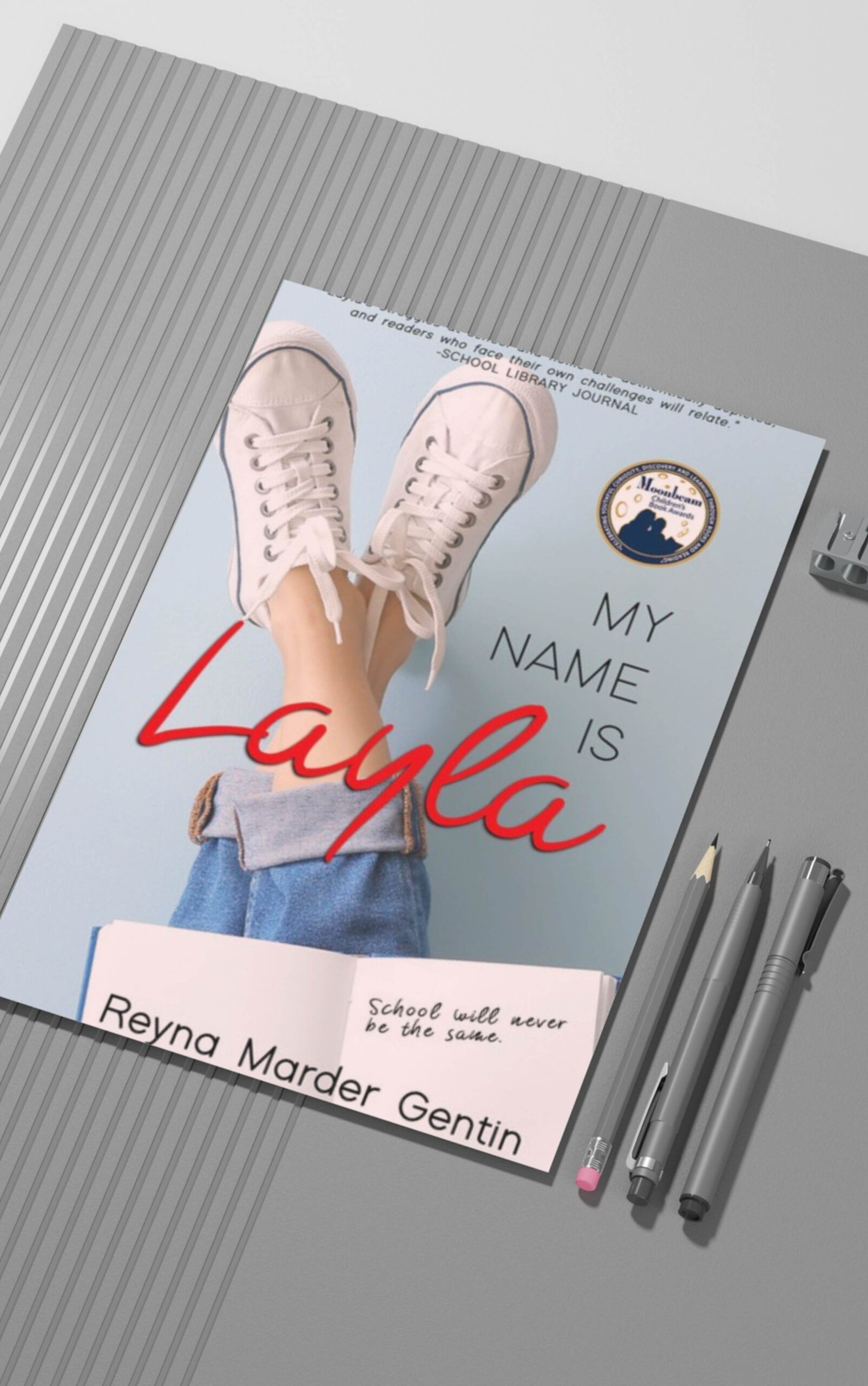
When author Reyna Marder Gentin sent me a copy of her middle-grade novel ‘My Name is Leyla,’ to review, I was delighted. This is an engaging story featuring a teenage girl living with undiagnosed dyslexia.
What immediately stood out to me was how real and relatable the characters felt. I especially appreciated the family dynamic. Layla has developed ways to cope—she leans on a close friend for help with schoolwork, while her brother offers steady support at home. Her single mother clearly loves her deeply, even as she works long hours to keep the family afloat.
This could easily have been a heavy or discouraging story—but it isn’t. Instead, it’s filled with compassion and connection. The characters lift one another up, and as a reader, you come away with a genuine sense of hope for Layla’s future.
I had the pleasure of speaking with Reyna about what inspired her to write My Name Is Layla. Here’s part of our conversation.
 Hi Reyna, thanks for joining me. Could you give me the bones of the story, please?
R: Sure. Here’s the book’s blurb.
On the first day of eighth grade, thirteen-year-old Layla has a pretty good idea of what’s in store for her-another year of awkward social situations, mediocre grades, and teachers who praise her good behavior but find her academic performance disappointing.Layla feels certain she’s capable of more, but each time she tries to read or write, the words on the page dance and spin, changing partners and leaving her to sit on the sidelines.This year will be different in ways Layla could never have predicted. Her new English teacher, Mr. McCarthy, senses her potential. When he pushes her to succeed, Layla almost rises to the challenge before making a desperate choice that nearly costs her everything she’s gained.
Will she be able to get back on track? And who can she count on to help her?
Layla’s voice feels so authentic. What inspired these characters?
R: Writing from a young teen’s perspective was the most challenging aspect of this novel, and I’m so glad you found the voice authentic.
At the time I was working on the novel, my own children were already a bit older — maybe 21 and 18. So while I had recently spent time with my own teenagers and their friends, I found it more helpful to reach back into my own experiences growing up for inspiration. I found that I could access a lot of the emotions from that time and translate them to Layla’s life.
For example, when I was fourteen, my father had a very serious heart attack. Thank goodness, he recovered. But those feelings of fear and despair came back to me.
Memories of other life events from that age — happy and more hopeful ones — such as being asked on my first date, or having my bat mitzvah, put me right back into that time and the swirling emotions of being a young teen.
Outside events, like the murder of John Lennon, helped me remember what it was like to be part of the larger world, but in the context of how a group of friends experience history. In addition to the mindset, I had to make sure Layla and her friends spoke realistically.
I didn’t try to use today’s slang, as I knew I couldn’t pull that off. But I did try to have the kids interact in a way that was believable.
What drew you to write about dyslexia?
R: I don’t have a personal connection to dyslexia, beyond what everyone has— since it affects 20% of the population, I certainly know people who have this challenge. I wrote this book while taking a class on writing for children.
To me, dyslexia has this quality. It can affect so much about a person’s life: their performance in school, their everyday functioning, their self-esteem, and yet those difficulties can be hidden, compensated for by other strengths, and misinterpreted by teachers, friends, and family.
The level of frustration must be mind-boggling! I wanted to write about something less obvious to the outside world, to make the point that we all need to be kind, respectful and helpful to each other, because we never know what is going on under the surface.
It’s challenging to write about dyslexia when many children with dyslexia dislike reading. Who is this book’s audience?
R: I think this book is for everyone!
I hope that children or adults with dyslexia will find this book relatable and hopeful. If the reading is difficult, it is also available as an audiobook, which may be more accessible.
But what I really hope is that children and adults without dyslexia will read the book and gain a better understanding of their peers and others who find reading a challenge. Beyond that, the message of the book is that everyone has something they struggle with, be it physical illness in themselves or their loved ones, financial challenges, or mental health issues.
We all need to be more sensitive and kind because we never know what is going on with the people around us or how our interactions can help rather than hurt. I would also love teachers and school personnel, and anyone who works with children, to read this book to alert them to an issue that may be less obvious than some they are dealing with in class and therefore getting less attention.
Will you write more books for young readers?
R: I usually write contemporary fiction for women, and I think that is a natural fit for me. Writing Layla was a very special experience. If I found another topic for children that I found inspiring, I certainly wouldn’t rule out another book for that age range.
Final Thoughts
My Name Is Layla is a compassionate and insightful read that shines a light on the often-hidden challenges of dyslexia. It’s a story about resilience, friendship, and the power of being truly seen.
For parents, teachers, and young readers alike, this book offers both understanding and hope—and that’s exactly the kind of story we need more of.
How to purchase this book. Author website: reynamardergentin.com and the Amazon link: https://www.amazon.com/
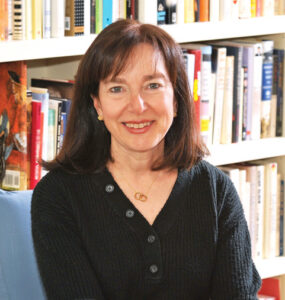
Reyna Marder Gentin. Photo supplied.